

 See My Latest Article on HelloNation
How Do Light and Space in Dothan, AL Homes Affect Paint Color Choice?
Natural sunlight in Dothan varies considerably throughout the year, which means the appearance of paint colors can shift noticeably between seasons. Rooms with large windows on the south or west side of a home may receive abundant sunlight, causing some hues—especially lighter shades or whites—to look warmer or even slightly yellowed. Meanwhile, north-facing rooms or spaces shaded by mature trees common in local neighborhoods may read cooler or slightly dimmer.
Before selecting a color, observe how sunlight moves through the space at different times of day. Consider these practical observations:
- Bright, sunlit rooms can make colors appear lighter; bold or mid-toned colors may feel more balanced.
- Dim or shaded spaces may benefit from lighter paints or those with a slight warm undertone to keep rooms feeling inviting.
- LED and compact fluorescent bulbs, often used in Dothan homes for their energy efficiency, can also affect color. Test samples under the actual lighting you use most.
What Factors Should Residents Prioritize for Different Rooms?
Color choice isn't just personal preference; it’s shaped by how spaces are used and the mood local residents want to achieve. Paint colors can help small rooms feel larger or cozy up big, open floorplans typical of the area.
- Bedrooms: Soft, muted tones in cool blues, greens, or gentle earth tones create restful atmospheres. These tend to work well in Dothan’s hot summers, imparting a sense of calm.
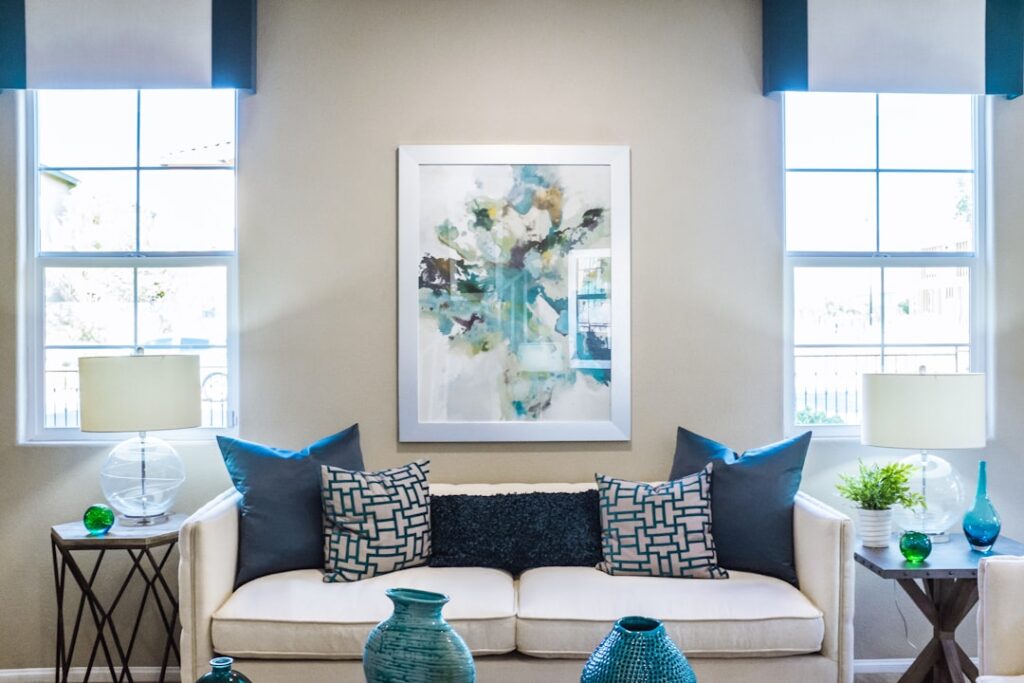
- Living Rooms: Depending on activity levels, residents sometimes opt for easy neutrals like warm grays, soft beiges, or creamy whites—tones that tend to adapt well to gatherings or quiet evenings alike.
- Kitchens and Dining Areas: Lighter, airy colors can brighten spaces and work well year-round. Soft yellows, greens, or subtle blues bring freshness while hiding smudges from regular use.
- Bathrooms: Whites, gentle aquas, or light grays enhance cleanliness and can make compact spaces common in older homes appear larger.
- Home Offices: Muted blues or greens can help boost concentration and reduce stress for those working from home, which has become more common in recent years.
How Do Lifestyle and Local Climate Influence Paint Choices?
Dothan’s warm, humid summers and generally mild, short winters influence indoor living. Paint finishes and colors should be chosen with this in mind.
- Sheen: Semi-gloss or eggshell finishes stand up better to moisture in bathrooms or kitchens and are easier to clean—a key benefit for active households or families with pets and children.
- Color Resistance: Some darker or richer colors may fade in areas with ample sunlight; UV-resistant paints can help, but it's wise to test samples in sunlit areas before committing.
- Humidity: Deeper colors and certain sheens are less likely to show mild imperfections that may appear as walls age in humid houses.
What Overlooked Factors Should Be Considered Before Committing?
It’s common to focus heavily on color swatches and forget how colors interact with flooring, furniture, and trim. Considering the following can help avoid mismatches:
- Always review paint swatches against flooring (hardwood, carpet, tile) and permanent features like cabinetry or built-ins.
- Undertones can clash—beige may look pink next to a grayish tile, or white may appear yellow against certain woods.
- Sample paint on at least two walls, not just on a single patch, and live with it for a few days to observe changes in different lighting and weather conditions.

How Do Residents Use Paint to Enhance Open Floor Plans and Connected Spaces?
Many newer homes in the area feature open layouts. Choosing a single color family or related tones can create flow, making spaces feel cohesive. Use color changes strategically—such as an accent wall or a subtle shift in shade—to define activity zones or highlight architectural features without visual clutter.
What Are Some Common Mistakes to Avoid?
A few frequent pitfalls include:
- Picking paint from a tiny swatch or digital image without seeing it on the wall.
- Forgetting that warm lighting can make some cool colors appear dull or muddy.
- Ignoring how wall color might interact with existing décor or tile work.
- Choosing overly dark shades in north-facing or shaded rooms, making spaces feel smaller or less welcoming.
- Overlooking ceiling color, which impacts the perceived height and brightness of a room—a slightly tinted white ceiling can prevent stark contrast and feel cozier.
When Should Safety or Codes Affect Paint Color Decisions?
While color choice itself is mostly unrestricted, safety regulations may come into play in specific circumstances. For example, homes built before the late 1970s might have lead-based paint underneath layers of newer paint, especially in historic properties. If sanding or prepping older walls, always check state and federal guidance for safe practices. In such cases, special preparation steps or certified procedures may be legally required for health.