

 See My Latest Article on HelloNation
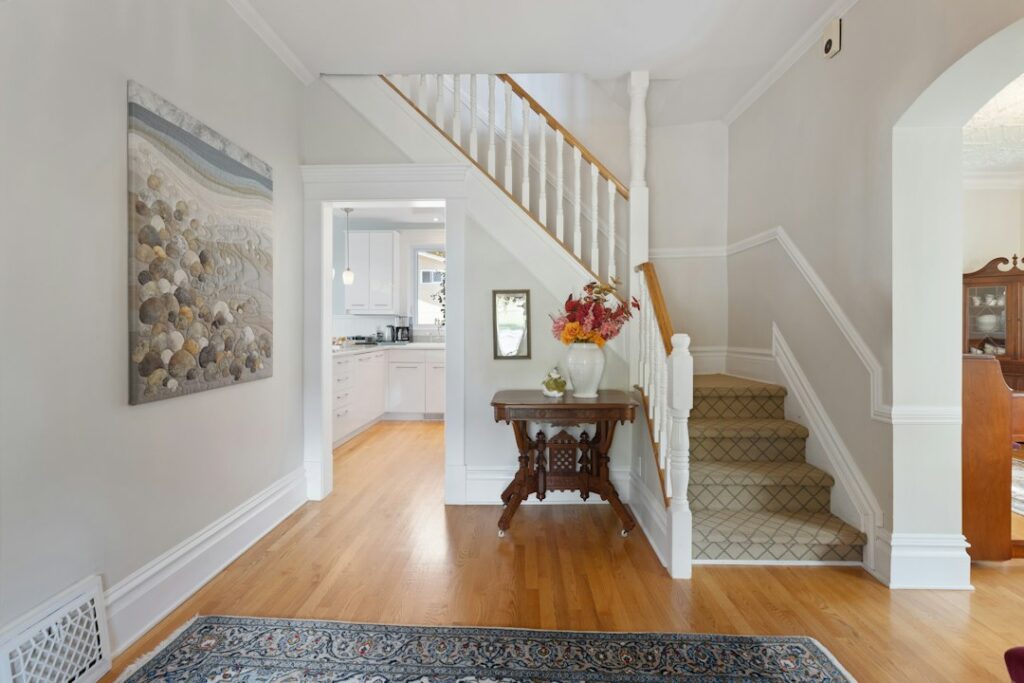
High-traffic areas such as hallways, entryways, stairwells, kitchens, and family rooms need more than a fresh color. They need a paint system that can tolerate frequent contact, cleaning, humidity, and everyday movement without showing marks quickly.
In Dothan, warm temperatures, substantial rainfall, and extended periods of humidity can affect how paint dries and how interior surfaces hold up over time. Good preparation, suitable sheen, and realistic drying conditions usually matter more than choosing the most expensive paint.
Which areas of a home need the most durable paint?
Entryways, corridors, staircases, mudrooms, kitchens, and shared living spaces typically receive the most wear. These areas collect fingerprints, scuffs, dust, food residue, and occasional impacts from furniture or household items.
Pay particular attention to:
- Walls beside light switches and door handles
- Narrow hallways where shoulders, bags, and furniture brush the surface
- Stair walls and handrail areas
- The lower sections of walls near children or pets
- Kitchen walls exposed to cooking moisture and grease
- Door frames, baseboards, and trim
A room does not need the same finish on every surface. Walls may benefit from a washable eggshell or satin finish, while trim and doors often perform better with a harder, smoother satin or semi-gloss coating.
What paint sheen works best in high-traffic areas?
Eggshell and satin are usually practical choices for busy interior walls. They offer more resistance to cleaning than flat paint without reflecting as much light as semi-gloss.
A general guide:
- Eggshell: Suitable for hallways, bedrooms with regular use, and moderately busy living areas. It hides minor wall imperfections better than shinier finishes.
- Satin: A stronger choice for entryways, family rooms, kitchens, stairwells, and homes where walls require frequent wiping.
- Semi-gloss: Often better for doors, trim, cabinets, and areas exposed to moisture or repeated contact.
- Flat or matte: Useful for ceilings and low-contact walls, but it may show burnishing or lose its appearance after repeated scrubbing.
Higher sheen does not automatically mean better performance. Glossy surfaces can highlight dents, patches, uneven drywall, and roller texture. The best choice balances cleanability with the condition of the surface.
How should walls be prepared before painting?
Preparation determines whether new paint bonds properly and whether repaired areas remain visible. Cleaning and light sanding are especially important in areas that have accumulated hand oils or cleaning residue.
Before painting:
1. Remove dust, cobwebs, and loose material.
2. Wash greasy or heavily touched areas with a suitable household cleaner.
3. Repair nail holes, dents, cracks, and loose caulk.
4. Sand glossy surfaces lightly so the new coating can grip.
5. Remove peeling paint instead of covering it.
6. Allow the surface to dry completely.
7. Apply primer where repairs, stains, bare drywall, or major color changes require it.
Do not assume that a thick coat of new paint will hide an unstable surface. Peeling, bubbling, and cracking usually originate beneath the visible finish.
In older homes, sanding or scraping painted surfaces may create hazardous dust, particularly if layers of paint date from before 1978. Extra care, containment, and appropriate lead-safe practices may be necessary before disturbing those coatings.
How can paint resist scuffs and repeated cleaning?
Durability comes from both the coating and the way the surface is cleaned. A washable finish may tolerate gentle cleaning, but aggressive scrubbing can still burnish the paint or remove its sheen.
Use these habits:
- Let the paint cure according to the product instructions before washing it.
- Start with a soft cloth or sponge and clean water.
- Use mild detergent only when water is not enough.
- Test cleaning methods in an inconspicuous area.
- Avoid abrasive pads, powdered cleaners, and stiff brushes.
- Blot stains rather than spreading them across a large area.
Clean marks promptly when possible. Fresh fingerprints and food splashes are generally easier to remove than stains that have remained on the surface for weeks.
Dark colors can make scuffs more noticeable, while very light colors may show dirt quickly. Mid-range colors and subtle patterns often disguise everyday wear better than either extreme.
What should residents consider about humidity and drying?
Humid conditions can slow drying and extend the time before a coating reaches its intended hardness. Painting during a very damp period may lead to longer recoat times, tackiness, uneven sheen, or poor adhesion if the surface itself contains moisture.
For interior work:
- Use air-conditioning or controlled ventilation when practical.
- Avoid painting a damp wall or a surface with condensation.
- Do not close a room tightly while fresh paint is releasing moisture and odor.
- Follow the label’s temperature and humidity guidance.
- Give each coat enough time to dry before adding another.

A surface can feel dry while the paint underneath is still soft. Replacing furniture, washing walls, or repeatedly touching trim too soon can leave permanent marks.
Exterior high-contact surfaces, such as porch doors and railings, require additional attention to weather conditions. Avoid painting immediately before rain or during periods when surfaces remain damp overnight. The coating needs time to form a stable film before facing moisture.
Should walls be painted with one thick coat or several thin coats?
Two properly applied coats usually perform better than one heavy coat. Thick application can create runs, extended drying times, uneven texture, and soft areas that mark easily.
Apply paint in manageable sections and maintain a wet edge so overlapping areas blend together. Use consistent pressure with the roller and avoid repeatedly working paint after it begins to set.
Primer and paint serve different purposes. Primer helps seal porous repairs, block stains, and create an even base. Paint provides color and the finished protective film. A combination product may be useful in some situations, but severe stains, bare patches, and glossy surfaces may still need specialized preparation.
How should doors, trim, and stair areas be handled?
Trim and doors often receive more direct contact than walls. They should be cleaned, lightly sanded when needed, and coated with a finish designed for repeated handling.
Pay attention to:
- Door edges and latch areas
- Baseboards beside walkways
- Stair risers and skirt boards
- Handrails and newel posts
- Cabinet doors and drawer fronts
- Window trim near frequently opened windows
Use smooth, controlled application rather than excessive brushing. A small amount of leveling can improve the appearance, but too much reworking may leave visible brush marks.
Stairways also require safe access during the project. Keep walking surfaces clear, maintain adequate lighting, and avoid using a ladder in an unstable position. If elevated areas, extensive sanding, or difficult ventilation create a genuine safety concern, the work may require specialized equipment and procedures.
How can indoor air quality be protected while painting?
Ventilation should continue during painting and for an appropriate period afterward. Open windows when outdoor conditions permit, use fans to move air toward an opening, and keep children, pets, and people sensitive to odors away from the work area.
Low- or zero-VOC products can reduce odor and certain emissions, but they still require proper ventilation and safe handling. “Low odor” does not mean the paint can be used without airflow or that it is safe to touch before curing.
Never mix paint with household cleaners or other chemicals. Keep containers closed when not in use, store them away from heat sources, and follow disposal rules for leftover material.
When is a touch-up better than repainting the entire wall?
A touch-up works best when the original paint, sheen, color, and application method are known. Even then, a repaired spot may remain visible if the surrounding paint has faded, collected dirt, or developed a different sheen.
For isolated damage, clean the area first, repair the surface, prime the patch if necessary, and apply a small amount of matching paint. If marks are widespread or the wall has uneven fading, painting from corner to corner usually produces a more consistent appearance.
Durable results in busy areas come from matching the coating to the surface, preparing carefully, respecting local humidity, and allowing enough curing time before regular use.