

 See My Latest Article on HelloNation
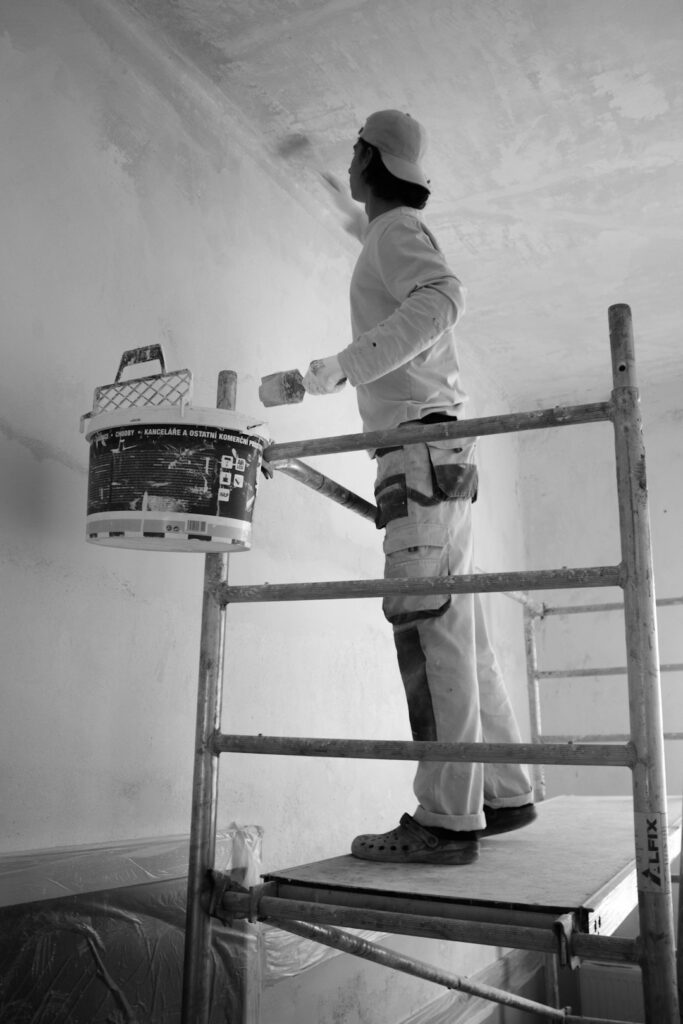
How Should You Prepare a Room for Painting?
Before picking up a brush, remove as much furniture from the room as possible and cover what remains with plastic sheeting or old sheets. Local homes in Dothan experience plenty of dust and pollen, especially during spring and fall, so ensure windows and vents are closed to keep airborne particles away from wet paint. Remove outlet covers, switch plates, and hardware if possible to keep lines neat. Use painter’s tape around trim, windows, doorframes, and ceilings for a crisp edge.
Common misconception: Skipping proper prep leads to rough results that can be hard to correct later. Take the time to patch holes, lightly sand glossy areas, and wipe down walls, especially near kitchens or HVAC vents, where oily residue can collect in the humidity typical of the area.
What Tools and Materials Do Beginners Need?
Most residents can achieve clean results using basic painting tools:
- 2" or 2.5" angled brush for trim and edges
- 9-inch roller with medium nap (3/8” or 1/2”) for typical wall texture
- Roller tray and liners
- Painter’s tape (low-tack for delicate surfaces)
- Drop cloths
- Step ladder
- Mild soap and sponge for prep
- Spackling paste and putty knife for patching
For most houses in the city, quality latex paint is a safe option, offering low odor and easy clean-up. Flat or eggshell finishes do well in bedrooms and living rooms, while satin or semi-gloss is better for kitchens, baths, or high-traffic hallways.
Should Walls Be Primed?
Applying primer isn’t always necessary, but it solves several common issues:
- Use primer when painting over bare drywall, patched areas, or a drastic color change.
- In older homes around Dothan, where humidity is high, primer helps paint resist mildew and ensures colors don’t fade or peel.
- Spot-priming patched sections gives a uniform finish and keeps repaired spots from “flashing” through new paint.
For repainting a similar color on a previously painted wall in good condition, carefully cleaning the surface and spot-priming any repairs is usually enough.
How Can Residents Achieve a Professional-Looking Edge?
The cleanest lines come from a combination of careful taping and steady handwork. For best results, press painter’s tape firmly along trim and gently burnish with a putty knife to seal the edge. Start by cutting in with an angled brush: paint a two- to three-inch border along ceilings, corners, and trim before using a roller on large areas. This reduces overlap lines and ensures full coverage. In rooms with chair rails or wall panels common in the area, use extra care on edges, and remove tape while the paint is still slightly damp to avoid peeling.
What’s the Correct Way to Use a Paint Roller?
Pour paint into a tray and coat the roller evenly. Start rolling in a “W” or “M” pattern, then fill in without lifting the roller too much—this spreads paint evenly and prevents lap marks. Work in manageable sections, overlapping slightly with previously painted areas. Roll from top to bottom to catch any drips. In homes with textured drywall or “orange peel” finishes, a medium-nap roller helps reach into the recesses for even color. Let each coat dry fully as directed on the label before applying a second layer.

How Long Does Paint Need to Dry in Humid Climates?
Dothan’s climate is often humid, which means paint can take extra time to set—sometimes up to twice as long as what’s listed on the label. Allow at least two to four hours between coats of latex, and ensure good air circulation by running fans (but not opening windows if pollen or dust is high). If painting during rainy periods or muggy conditions, plan for extra drying time before moving furniture back or touching up.
Overlooking drying times is a common mistake that leads to sticky walls or tacky-feeling surfaces, especially in the most humid months. Be patient and check small test areas before finishing up the project.
Which Safety Considerations Are Relevant for Home Painting?
Most modern latex paints are low in fumes, but good ventilation is still a must. Wear disposable gloves if you have sensitive skin, and protect eyes with safety glasses if using sanding tools or working overhead. If scraping old paint in homes built before 1978, consider testing for lead—a particular concern in historic houses—and follow recommended precautions.
Store leftover paint out of reach of children and pets, and never rinse brushes or liquid paint down household drains, as this can clog plumbing or affect the local environment. Instead, clean up in utility sinks or outdoors, well away from storm drains.
Are There Seasonal Considerations for Painting in Dothan?
Spring and fall are typically the most comfortable times to paint, as temperatures are mild and humidity is lower than in the peak of summer. However, sudden storms and pollen surges may require sealing off the room more tightly and monitoring weather for extended drying times. In summer, avoid painting during the hottest part of the day, as high heat and humidity can cause paint to bubble or streak.
Local homes with older HVAC systems may benefit from using portable fans or dehumidifiers, especially if painting several rooms in quick succession. Always check that air conditioning or fans do not blow dust directly onto wet surfaces.
What Are Typical Missteps New Painters Make, and How Can They Be Avoided?
- Rushing prep: Skipping cleaning or patching leads to visible blemishes even under multiple paint coats.
- Using the wrong finish: Flat paint shows scuffs in high-traffic areas; gloss highlights wall imperfections.
- Overloading brushes and rollers: Drips, runs, or uneven coverage can result.
- Removing tape too late: Wait until paint is dry to the touch, but not hard-set, for a smooth line.
If a mistake does occur, let the paint fully cure before sanding lightly and touching up. Taking the time to correct minor flaws produces a finish that lasts through Dothan’s varied weather and keeps interiors looking fresh.